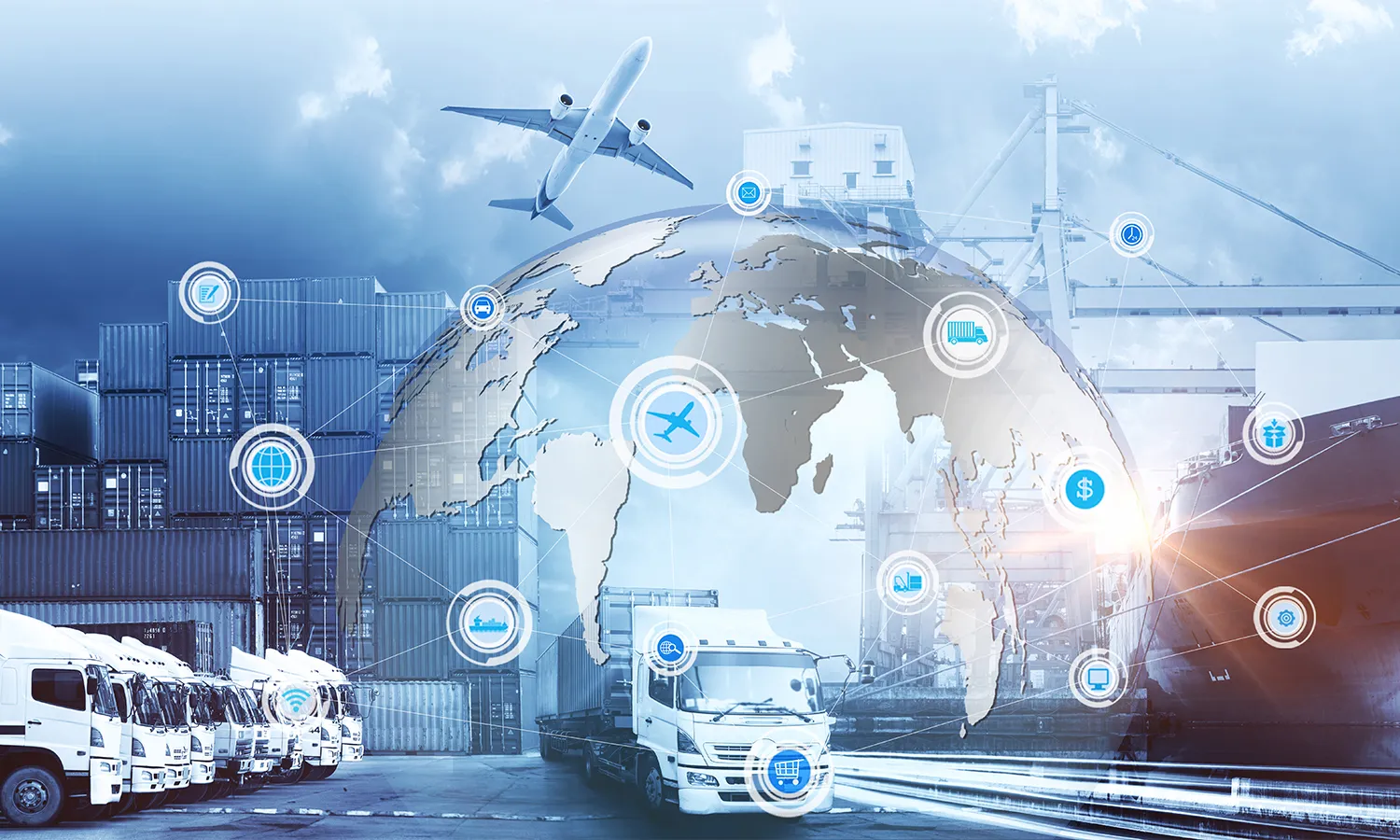
Introduction to Drayage
Drayage is an essential component of the logistics and transportation industry, serving as a crucial link between various modes of transport—primarily maritime, rail, and trucking. It encompasses the short-distance transportation of shipping containers, typically from ports or rail yards to their final destination. In today's complex supply chain landscape, understanding the nuances of drayage is vital for businesses seeking efficiency and reliability in their shipping and transportation processes.
Definition and Overview
Originating from the term "dray," which refers to a low, flat cart used for hauling freight, drayage has evolved to encompass modern freight transportation. It is defined as the transport of goods or cargo over a short distance, usually within a specific geographical area. The primary purpose of drayage is to bridge the gap between transportation hubs, ensuring that goods can flow seamlessly across different modes of transport. Whether it's moving containers from a ship to a warehouse or transferring freight from a rail yard to a distribution center, drayage plays a pivotal role in supply chain logistics.
The Role of Drayage in Supply Chain
Drayage is not merely a logistical afterthought; it is a critical element that enhances the overall efficiency of the supply chain. By facilitating the rapid movement of containers, drayage minimizes delays, reduces costs, and improves service levels. It acts as a reliable connector, allowing for flexibility within supply chain operations. For instance, when cargo arrives at a port, it must quickly transition to its next destination; drayage services enable that quick turnaround, ultimately impacting inventory levels and the speed of goods delivery.
Common Variables Affecting Drayage
Several variables can affect drayage operations, including:
- Distance: The short-distance nature of drayage often means that attention must be paid to local traffic conditions and infrastructure.
- Timing: Timely execution of drayage is essential; delays can lead to increased costs and operational disruptions.
- Regulatory Compliance: Adhering to local, state, and federal regulations is vital, particularly in urban environments where regulations may vary significantly.
- Equipment Availability: The availability of trucks and containers can impact efficiency; inadequate resources may lead to bottlenecks.
Types of Drayage Services
Understanding the different types of drayage services is essential for shippers seeking to optimize their logistics strategy. Here are the primary categories of drayage:
Intermodal Drayage
Intermodal drayage involves transporting containers between different modes, such as from truck to rail or vice versa. As goods often change hands at intermodal terminals, this type of drayage requires careful coordination and timing. Companies that specialize in intermodal drayage must navigate rail schedules and ensure that containers are loaded and unloaded efficiently. This service is crucial for businesses looking to capitalize on the benefits of multiple transport modes while minimizing costs.
Port Drayage
Port drayage refers specifically to the transportation of containers directly to and from seaports. Given the high volume of international trade, efficient port drayage operations are essential for expediting container transfer to their final destinations. Challenges in port drayage include congestion at ports, waiting times, and facility layout, which can impact turnaround times. Utilizing technology for real-time tracking and scheduling can significantly enhance the effectiveness of port drayage services.
Container Drayage
Container drayage focuses on moving shipping containers between various freight terminals, warehouses, and distribution centers. This service is essential for managing inventory in manufacturing and retail environments. Container drayage often involves handling empty containers as well, integrating returns into the supply chain process. Proper management of container drayage helps prevent delays and reduce costs associated with container storage and demurrage.
Challenges Faced in Drayage Operations
While drayage services are integral to freight movement, operators face unique challenges that must be managed effectively to ensure smooth operations.
Traffic and Congestion Issues
Traffic congestion, especially in urban areas, poses one of the most significant challenges for drayage companies. Delays caused by road and port congestion can lead to increased costs due to extended labor hours and potential penalties for late deliveries. Companies can mitigate these issues by employing route optimization technologies and scheduling deliveries during off-peak hours to minimize delays.
Regulatory Compliance
Compliance with local transportation regulations is paramount in the drayage industry. Specific regulations may pertain to emissions, vehicle weight limits, and hours of service for drivers. Non-compliance can lead to hefty fines and increased scrutiny, disrupting logistics operations. Companies involved in drayage must stay abreast of changing regulations and invest in compliance training for their teams.
Cost Management Strategies
Controlling costs associated with drayage operations is critical for profitability. Fluctuations in fuel prices and operational expenses can directly impact profit margins. Implementing a comprehensive cost management strategy that focuses on route planning, load optimization, and fuel-efficient driving practices can help organizations maintain financial health while providing quality service.
Improving Drayage Efficiency
Enhancing the efficiency of drayage operations is crucial for businesses seeking to optimize their supply chains. Several best practices and strategies can help achieve this goal.
Best Practices for Drayage
Several best practices can help organizations streamline their drayage processes:
- Utilize Technology: Implementing advanced tracking and scheduling software allows for real-time updates and enables better coordination across logistics teams.
- Improve Communication: Maintaining open lines of communication between shipping partners, drayage providers, and transportation managers can help address potential issues proactively.
- Driver Training: Providing comprehensive training programs for drivers can enhance operational efficiency and ensure compliance with regulatory requirements.
Technological Innovations in Drayage
The drayage sector has seen significant changes due to technological advancements. Emerging technologies such as IoT (Internet of Things) and AI (Artificial Intelligence) are transforming how drayage companies operate. These innovations facilitate real-time tracking, predictive analytics for demand forecasting, and automated scheduling, thus enhancing efficiencies.
Case Studies of Successful Drayage Optimization
Companies that have successfully optimized their drayage operations often serve as valuable case studies for others in the industry. For example:
- Company A: Implemented an integrated logistics platform that allowed for real-time visibility of shipments, resulting in reduced lead times and improved customer satisfaction.
- Company B: Adopted a consolidated routing strategy, which decreased empty miles traveled and significantly reduced fuel consumption.
Future Trends in Drayage
The drayage industry is continuously evolving, with trends shaping its future. Staying informed about these developments will be crucial for businesses involved in logistics.
Sustainability Initiatives
As environmental concerns rise, the drayage industry is experiencing a push towards more sustainable practices. Companies are exploring ways to reduce their carbon footprint through the adoption of alternative fuels, eco-friendly trucking fleets, and optimized routing to minimize empty miles. Many businesses are also investing in electric and hybrid vehicles as part of their fleet management strategies.
The Impact of E-commerce on Drayage
The surge in e-commerce has fundamentally altered the landscape for drayage services. As consumers demand quicker delivery times, drayage operations must adapt to accommodate this increased demand for speed and efficiency. Companies are investing in technology to streamline their operations and improve their response times, ensuring they meet customer expectations in this fast-paced environment.
Emerging Technologies in Freight Transportation
Beyond the current technological advancements, emerging technologies such as blockchain are poised to revolutionize the drayage industry further. Blockchain could enhance transparency and traceability within supply chains, allowing for more reliable transactions and improved inventory management. As these technologies mature, they will likely reshape how drayage services are provided.