Understanding Structural Steel Welding
Structural steel welding is a crucial aspect of modern construction and metal manufacturing, enabling the efficient joining of steel components to create robust structures. As the industry continues to evolve, it is vital for professionals to stay informed about the processes, techniques, and best practices surrounding this essential skill. This comprehensive guide dives deep into structural steel welding, addressing its importance, key techniques, necessary tools, common challenges, and training opportunities.
By understanding how to effectively apply structural steel welding, professionals can enhance the quality and durability of construction projects.
What is Structural Steel Welding?
Structural steel welding is the method of bonding metal elements using high temperatures to join two pieces of steel together. This process can be employed in various applications, ranging from bridges to high-rise buildings and industrial structures. The primary objective is to create strong, durable connections that can withstand the loads and stresses encountered in real-world environments.
Importance of Structural Steel in Construction
The significance of structural steel in construction cannot be understated; it serves as the backbone of many modern structures. Structural steel offers remarkable strength-to-weight ratios, making it ideal for designs requiring high load-bearing capacities without excessive material use. As a result, projects can achieve greater heights and span longer distances. Additionally, structural steel is recyclable, which aligns with sustainable construction practices and reduces overall material waste.
Common Applications of Structural Steel Welding
Structural steel welding finds applications across many sectors:
- Frames for Commercial Buildings: Most commercial buildings rely on structural steel frameworks due to their high strength and resilience, particularly in urban construction.
- Bridges: Structural welding is pivotal in forming the critical joints in bridge construction, ensuring longevity and safety.
- Industrial Structures: Factories, warehouses, and other industrial facilities utilize steel welding to create robust frameworks that can support heavy equipment and materials.
- Infrastructure Projects: Roads, pedestrian walkways, and noise barriers are often constructed using structural steel welding due to its durability and resistance to various environmental factors.
Key Techniques in Structural Steel Welding
Types of Welding Processes Used
Several welding processes are commonly utilized within the realm of structural steel welding, each possessing unique characteristics suitable for different scenarios:
- Shielded Metal Arc Welding (SMAW): Also known as stick welding, this technique involves using a consumable electrode coated with flux to protect the weld pool from contamination.
- Gas Metal Arc Welding (GMAW): Also known as MIG welding, this method employs a continuous wire feed and an inert shielding gas to protect the weld from oxidation.
- Flux-Cored Arc Welding (FCAW): This process is similar to GMAW but uses a tubular wire filled with flux, allowing for effective welding in outdoor conditions.
- Submerged Arc Welding (SAW): This method utilizes a manually fed electrode and a blanket of granular flux that protects the molten weld pool, making it suitable for thick materials.
Choosing the Right Welding Method
Choosing the correct welding method is essential for ensuring joint integrity and strength in structural steel applications. Factors to consider include:
- Material Thickness: Thicker materials may require methods like SAW or FCAW for deeper penetration.
- Welding Position: Certain methods may be better suited for specific positions—some are easier in flat or horizontal positions, while others prove better in vertical or overhead configurations.
- Environmental Conditions: Outdoor conditions with wind or moisture may necessitate the use of flux-cored processes, while indoor environments may utilize GMAW.
Enhancing Weld Quality and Strength
Achieving high-quality welds requires a meticulous approach. Best practices include the following:
- Pre-Weld Preparation: Effective surface cleaning, proper fit-up, and joint design are critical for weld quality.
- Controlling Heat Input: Monitoring heat input during welding can reduce the risk of distortion and minimize the occurrence of defects.
- Post-Weld Treatments: Techniques such as stress-relieving and welding inspections can aid in ensuring that the weld meets structural requirements.
Tools and Equipment Needed for Structural Steel Welding
Essential Welding Tools and Machines
Utilizing the right tools is paramount for success in structural steel welding. Key tools include:
- Welding Machines: These machines should be selected based on the chosen method of welding (SMAW, GMAW, FCAW, SAW).
- Electrode Holders and Ground Clamps: Essential for securing the weld area and maintaining a good electrical connection.
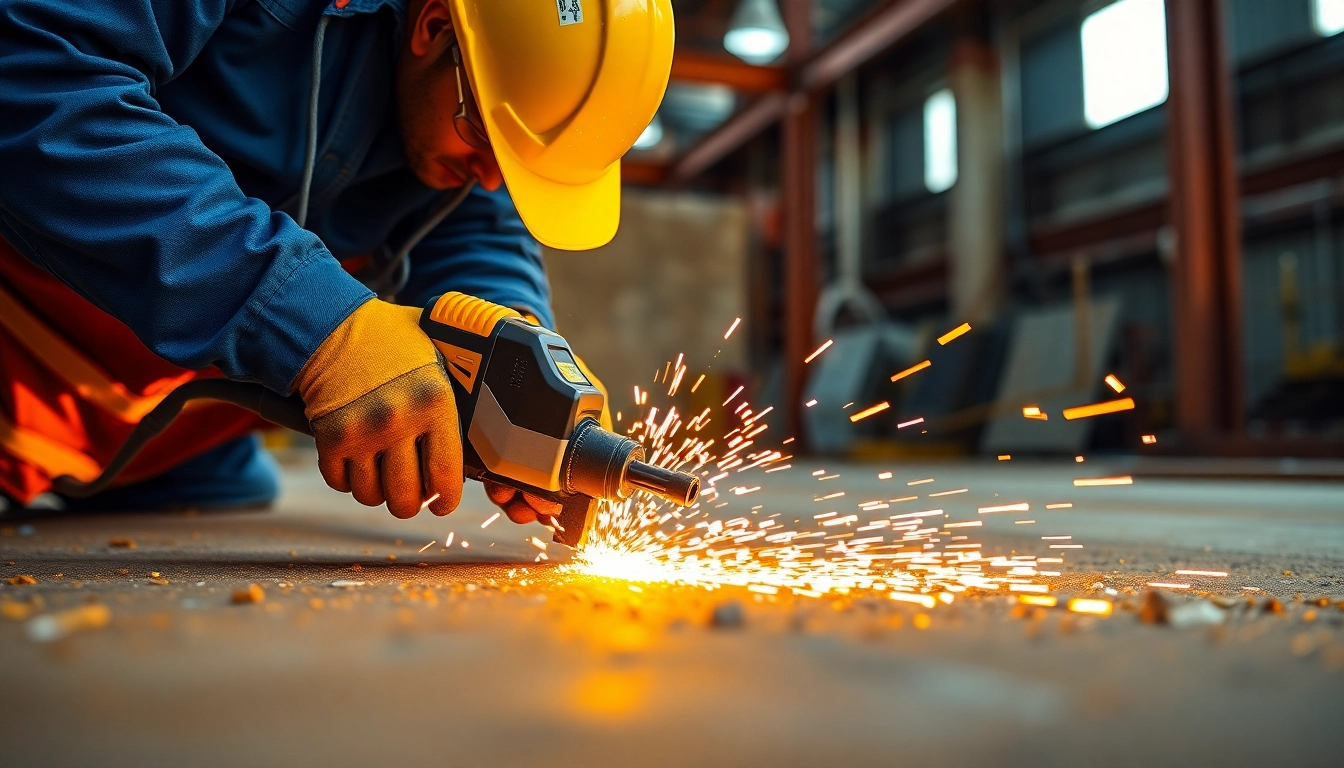
- Cutting Tools: Plasma cutters or torch setups are necessary for preparing steel pieces before welding.
Safety Equipment for Structural Steel Welding
Safety is paramount in any welding operation. Essential safety gear includes:
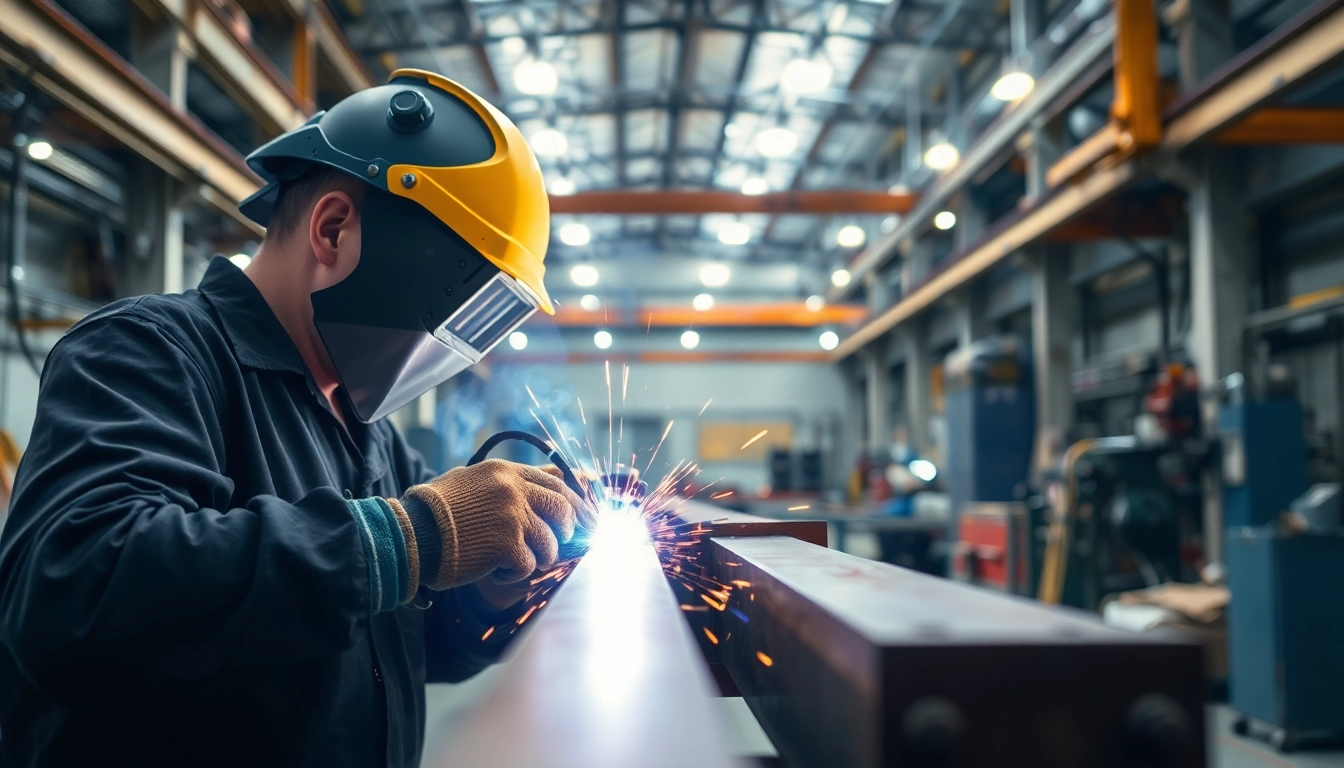
- Welding Helmets: Protects the eyes and face from harmful UV rays and sparks.
- Protective Clothing: Flame-resistant long sleeves, gloves, and aprons are critical to safeguarding against burns.
- Respirators: When welding in confined spaces, respiratory protection is crucial due to fumes and gases produced.
Maintenance of Welding Equipment
Proper maintenance of welding equipment enhances longevity and performance. Regular activities should include:
- Cleaning: Remove spatter and debris from welding machines and tools after each use.
- Inspection: Regularly check cables, hoses, and equipment for signs of wear or damage.
- Calibration: Ensure welding machines are calibrated correctly to maintain optimal performance levels.
Challenges in Structural Steel Welding
Common Issues Faced During Welding
Welders often encounter several challenges during structural steel welding:
- Weld Defects: Issues such as porosity, cracks, and incomplete fusion can compromise weld quality.
- Heat-Affected Zones: Excessive heat can change the properties of steel, leading to weakness in joint areas.
- Material Distortion: Thermal expansion and contraction can cause warping or misalignment of components.
Techniques for Overcoming Welding Challenges
Addressing common welding challenges requires skill and the adoption of effective techniques:
- Preheating: For thicker materials, preheating can help to minimize stress and control thermal expansion.
- Weld Sequence Planning: Strategically planning the sequence of welds can help manage heat input and control warping.
- Quality Control Practices: Implementing thorough inspections and testing, including non-destructive testing (NDT), can help catch defects early.
Evaluating Weld Integrity and Quality
Evaluating the quality and integrity of welds is vital for ensuring the safety and durability of structures. Common evaluation methods include:
- Visual Inspection: A basic but essential first step in assessing weld quality.
- Ultrasonic Testing: This non-destructive method uses high-frequency sound waves to detect internal flaws.
- X-Ray Inspection: Used for assessing the internal structure of welds, ensuring they meet quality standards.
Certification and Training for Structural Steel Welding
Importance of Certification in the Welding Industry
Obtaining certification in structural steel welding is essential for both personal and professional growth. Certification ensures that welders meet industry standards, enhancing their credibility and employability. It also serves as a benchmark for skill levels within the industry.
Training Programs for Aspiring Welders
Many institutions offer training programs tailored specifically for structural steel welding. These programs typically cover:
- Theoretical Knowledge: Core principles of welding, metallurgy, and safety practices are fundamental components.
- Hands-On Experience: Practical training in various welding methods under the supervision of experienced instructors.
- Certification Preparation: Many programs also provide preparation for certification exams, ensuring welders are ready for the workforce.
Best Practices for Continuous Skill Development
Continuous skill development is crucial for welders to adapt to evolving technologies and methods. Best practices include:
- Participating in Workshops: Attending workshops and seminars provides exposure to the latest trends in welding.
- Networking with Professionals: Building a professional network can facilitate learning from peers and industry leaders.
- Staying Updated with Industry Standards: Keeping abreast of changes in regulations and standards ensures compliance and safety in welding practices.