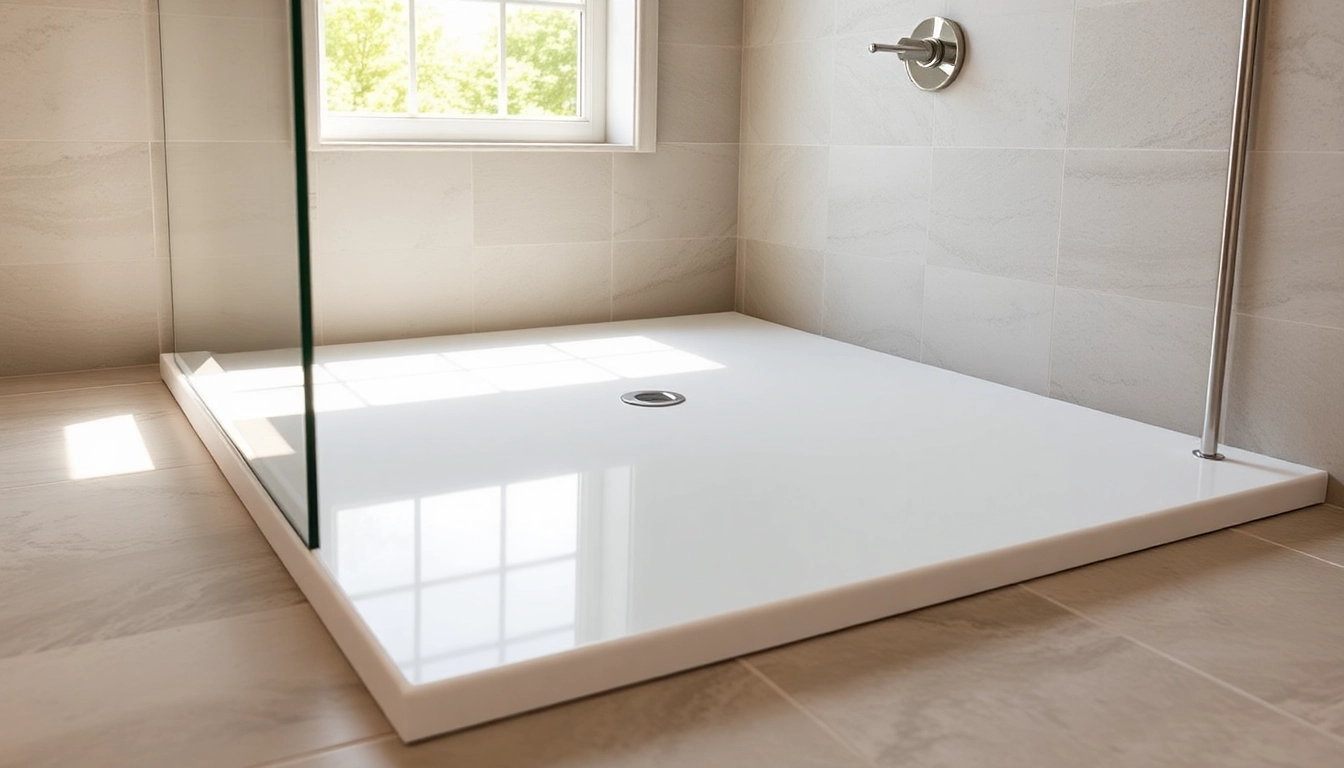
Understanding Shower Base Types
When renovating a bathroom, selecting the right shower base is crucial to creating a functional and stylish space. The variety of shower base types available makes the selection process not only exciting but also a bit daunting for homeowners. This section will explore the different types of shower bases, focusing on material choices, design differences, and the various size and shape options.
Exploring Materials for Shower Bases
The material of your shower base can significantly influence its durability, ease of maintenance, cost, and aesthetic appeal. Here are some of the most popular materials used: - Acrylic: Lightweight and affordable, acrylic shower bases are easy to install and maintain. Although they may scratch more easily than other materials, modern versions come with reinforced surfaces to enhance resilience and longevity. - Fiberglass: Another lightweight option, fiberglass shower bases are typically less expensive and offer excellent variety in color and style. However, they may require more frequent replacement due to wear and tear over time. - Ceramic Tile: Known for elegance, ceramic tiles provide a customizable aesthetic with exceptional durability. However, proper installation is vital to prevent water damage, and they can be more challenging to clean due to grout lines. - Stone: Natural stone bases like granite or marble exude luxury and sophistication. They are incredibly durable but come at a higher price point and may require more maintenance to prevent staining or algae growth. - Composite Materials: Resilient and stylish, composite materials mix various substances to provide enhanced durability. They can mimic the look of stone or tiles while offering ease of maintenance. When choosing the material for your shower base, consider what fits both your functional needs and design preferences.
Differences in Design: Curbless vs. Curbed Shower Bases
Shower base design can be categorized primarily into two types: curbed and curbless, each offering distinct benefits suited to different needs. - Curbed Shower Bases: Featuring a raised lip that keeps water contained, curbed bases are a traditional choice and generally easier to install. They provide a sense of separation between the shower area and the rest of the bathroom, allowing for flexible tile designs that don't necessarily have to line up with the shower base. - Curbless Shower Bases: Gaining popularity for their modern aesthetic, curbless bases offer a seamless transition from the bathroom floor to the shower. This design not only enhances accessibility—suitable for individuals with mobility issues—but also creates an illusion of a larger space. However, they require meticulous planning for the slope of the flooring to ensure proper drainage. Each design type has its pros and cons, so your choice will depend on both functional and aesthetic considerations in your bathroom.
Evaluating Size and Shape Options for Your Shower Base
The size and shape of a shower base play a vital role in both the usability and visual appeal of your bathroom. The right choice can maximize the showering experience while making the most of available space. - Standard Sizes: Most shower bases come in standard sizes (36” x 36”, 32” x 60”). These can often be installed with minimal modifications. - Custom Sizes: For uniquely shaped bathrooms or specialized layouts, custom-sized bases can fit any space but may come at a higher cost. - Shapes: Square and rectangular shapes are most common, but corner bases can optimize space in smaller bathrooms. Additionally, neo-angle bases fit into tighter corners, presenting a stylish option without sacrificing functionality. Choosing the correct size and shape is crucial not only for the installation process but also for the overall user experience and aesthetic of your bathroom.
Benefits of Shower Bases
Investing in a quality shower base comes with numerous advantages that can significantly enhance your bathroom experience.
Enhancing Safety with Non-Slip Features
Safety is a paramount consideration in any bathroom, and the right shower base can greatly enhance safety features. Many shower bases come with non-slip surfaces designed to provide traction and reduce the risk of accidental slips. This type of shower base is particularly beneficial for families with children or elderly individuals, as it promotes a safer bathing experience. Additionally, many modern materials are designed to be less slippery when wet, offering peace of mind while maintaining an elegant aesthetic. When selecting a shower base, always prioritize those with proven non-slip features to ensure a safer showering environment.
Ease of Cleaning and Maintenance
An often-overlooked advantage of investing in a quality shower base is the ease of maintenance. Some materials are more resistant to staining, mold, and mildew, making them easier to keep clean. For instance, acrylic and fiberglass bases usually only require soap and water for routine cleaning. Conversely, ceramic tiles may require careful caulking and scrubbing along grout lines to maintain their fresh look. When choosing a shower base, consider how much time you are willing to dedicate to cleaning and maintenance, as this can vary widely by material.
Improving Aesthetic Appeal
A well-chosen shower base can significantly enhance the overall aesthetic of your bathroom. With an array of styles, colors, and textures, shower bases can serve as a stunning focal point or blend seamlessly with your bathroom decor. Whether you opt for a modern sleek look with a curbless design or a more traditional appearance with rich stone textures, the right shower base contributes to the visual harmony of the space. Taking into account current design trends, you can select a base that not only functions effectively but also elevates the design of your bathroom.
Factors to Consider When Selecting a Shower Base
Choosing the right shower base involves several important factors to ensure that it fits seamlessly into your bathroom design while meeting practical needs.
Assessing Drainage and Plumbing Needs
Before selecting your shower base, conduct a thorough evaluation of your current drainage and plumbing arrangements. A proper slope is necessary to ensure efficient water flow toward the drain. Consider the following aspects: - Existing Plumbing: Determine the positioning of your current plumbing. If it requires modification, this could affect your budget and installation timeline. - Drain Placement: The location of the drain can influence the type of shower base you select. Some bases only work with specific drain types or placements. Ensure compatibility to avoid future plumbing issues. Correct assessment of these factors will facilitate smoother installation and effective maintenance in the long run.
Budgeting for Your Shower Base Installation
Your budget is a key factor influencing your shower base selection. Costs can vary widely based on the material, design, and size of the shower base. While it's tempting to opt for less expensive options, consider long-term durability and maintenance costs. A cheaper material might require replacement sooner or need more upkeep, ultimately costing more in the long run. It's also essential to factor in installation costs, especially if you are hiring professionals. Understanding your budget constraints will help you narrow down options while ensuring that you're investing wisely.
Understanding Local Building Codes
Compliance with local building codes is critical when selecting and installing a shower base. These codes dictate specifications related to drainage, accessibility, and safety features. Failing to adhere can lead to costly corrections down the line. Before making any decisions: - Research Local Regulations: Contact your local building department or consult a professional to gain insight into relevant codes and regulations. - Consider Accessibility Standards: If you plan to make your bathroom accessible, ensure that your selected shower base meets any ADA (Americans with Disabilities Act) standards. Staying informed about these codes will help prevent issues during installation and ensure your bathroom remains compliant with safety standards.
Installation Process for Shower Bases
Installing a shower base can be a DIY project or require professional assistance, depending on your experience and the complexity of the installation. Proper preparation and execution are essential for a successful install.
Preparing Your Bathroom for a New Shower Base
Preparation involves several important steps to ensure the installation process goes smoothly: - Assess The Space: Remove all items from the shower area, such as old fixtures and tiles. Ensure you have clear access to the workspace. - Check for Damage: Inspect the underlying flooring for any damage or mold. Address any issues before you proceed with installation. - Gather Materials: Ensure you have all necessary materials and tools ready, including the shower base, adhesive, and any plumbing supplies required for installation. Preparation is the foundation of a successful installation, so take your time to get it right.
Step-by-Step Guide to Installing a Shower Base
Installing a shower base can be a straightforward process if you follow these steps: 1. Dry Fit the Shower Base: Place the shower base in position without attachment to ensure proper fit. 2. Check Slope and Drain Position: Ensure the base is positioned correctly over the drain and maintains the necessary slope for water flow. 3. Apply Adhesive: If required, apply adhesive as per the manufacturer's specifications. Make sure to follow any special instructions for your specific type of shower base. 4. Set the Base: Carefully place the shower base onto the adhesive and press down to ensure a tight seal. 5. Reconnect Plumbing: Make any necessary plumbing connections, ensuring they are tight and leak-free. 6. Seal Edges: Apply silicone caulk around the edges of the shower base to prevent water infiltration. 7. Install Fixtures: Once the base is set and seamed, install your fixtures according to the manufacturer’s instructions. 8. Final Inspection: Check for any gaps, leaks, or anything that might need additional sealing or adjustments. Following these steps and any specific instructions from the manufacturer will help ensure that your shower base is installed properly.
Common Installation Mistakes to Avoid
While installing a shower base, some common mistakes can result in issues down the line: - Poor Drain Placement: Not aligning the drain correctly can lead to water pooling. Ensure you verify drain placement prior to installation. - Neglecting Slope: Failing to maintain the required slope can prevent drainage and cause water issues later. Always check the slope before securing the base. - Skipping Adhesive: Not using adhesive as instructed can result in instability, leading to cracks or water leaks. - Insufficient Sealing: Leaving gaps between the base and wall can result in water infiltration and damage over time. Proper sealing with caulk is crucial. By being vigilant during the installation process, you can avoid these mistakes, ensuring your shower base serves you well.
Frequently Asked Questions About Shower Bases
What materials are best for a shower base?
Acrylic and fiberglass are affordable and easy to maintain. For luxury, opt for natural stone; however, they're costlier and require more upkeep. Consider your budget and maintenance preferences.
How do I choose the right size shower base?
Measure your shower area to determine the size that fits comfortably. Standard sizes are available, but custom bases may be necessary for unique spaces.
Can I install a shower base myself?
Yes, if you have DIY experience and follow proper guidelines. However, hiring a professional ensures correct installation, especially for complex designs.
What type of maintenance does a shower base require?
Maintenance depends on the material. Regular cleaning with soap and water is usually sufficient, but ensure to pay attention to mold and mildew in grout lines.
Are curbless shower bases a good option?
Yes, curbless bases enhance accessibility and create a seamless transition between the bathroom and shower. Ensure correct drainage slope for optimal function.