
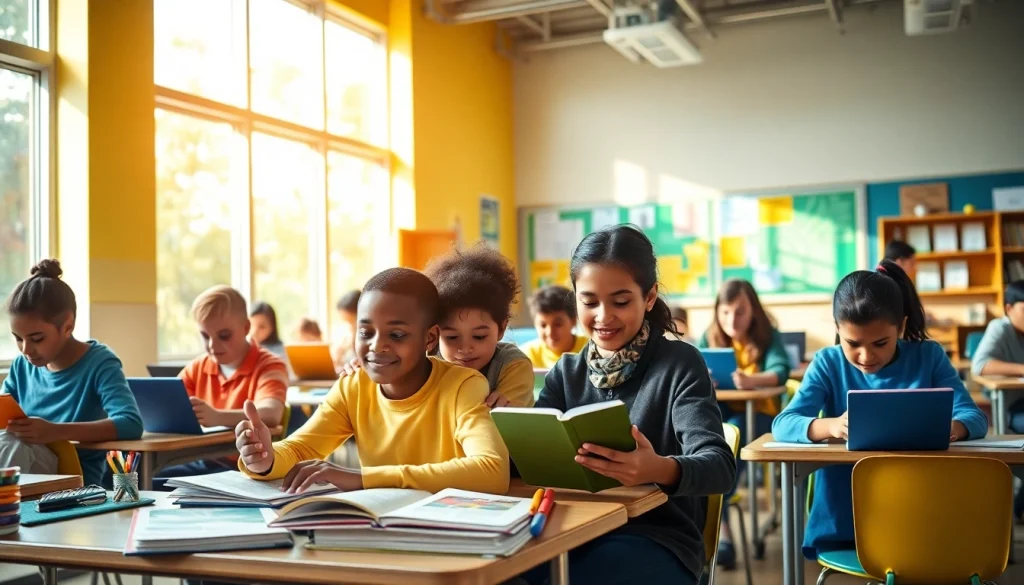

Understanding Education Equity and Its Importance
Education equity is more than just a concept; it’s a moral imperative that underpins our society’s progress. As Dr. Matthew Lynch advocates, education serves as the doorway to freedom, equality, and justice for all. In today’s diverse landscape, understanding the nuances of education equity is essential for fostering an inclusive environment where every learner has the opportunity to thrive. By addressing systemic disparities and promoting equitable access to educational resources, we can ensure that all students, regardless of their backgrounds, receive the quality education they deserve. When exploring options, education plays a pivotal role in shaping futures.
Defining Education Equity in Today’s Context
Education equity refers to the principle that all individuals should have access to high-quality education, regardless of their socioeconomic status, race, or ability. In practice, this means removing barriers that prevent students from achieving their full potential. In recent years, there has been a growing acknowledgment that equity goes beyond mere equality; it requires tailored approaches that recognize and address the specific needs of diverse learners. For instance, students from low-income families may require additional support services, such as tutoring or mentoring, to succeed academically.
The Role of Education in Promoting Justice
Education is a powerful tool for promoting social justice. By equipping students with critical thinking skills and a deep understanding of their rights, education empowers them to advocate for themselves and their communities. Moreover, a curriculum that includes diverse perspectives fosters empathy and understanding among students, helping to break down prejudices and stereotypes. Schools that champion social justice prepare students not just for academic success but also for active participation in a democratic society.
Challenges in Achieving Education Equity
Despite the importance of equity in education, significant challenges remain. Funding disparities persist, particularly in under-resourced areas, where schools often lack the necessary resources to provide a quality education. Additionally, implicit biases among educators can affect students’ academic trajectories, leading to differential treatment based on race or class. Overcoming these challenges requires systemic change, including policy reforms and community engagement, to create sustainable solutions.
Innovative Approaches to Education Reform
As the landscape of education continues to evolve, innovative approaches to reform are essential to address the growing disparities in academic achievement. From integrating technology into classrooms to fostering personalized learning experiences, educators are exploring new methods to enhance educational outcomes for all students.
Case Studies of Successful Education Reforms
Examining successful case studies can provide valuable insights into effective educational reforms. For example, the implementation of the “Whole School, Whole Community, Whole Child” model in various districts has shown promise in creating supportive learning environments that address both academic and social-emotional needs. Additionally, initiatives that incorporate culturally relevant pedagogy have successfully improved engagement and performance among marginalized students.
Integrating Technology into Educational Practices
Technology plays a critical role in modern education. The rise of digital tools and platforms has made it possible to provide personalized learning experiences that cater to individual needs. For instance, adaptive learning programs can analyze a student’s strengths and weaknesses, offering tailored resources to support their growth. Moreover, technology can facilitate collaboration among students and teachers, enhancing the overall learning experience.
Strategies for Engaging Diverse Learners
To effectively engage diverse learners, educators must employ a variety of instructional strategies that consider the varied backgrounds and experiences of their students. Techniques such as differentiated instruction, project-based learning, and the incorporation of student interests into the curriculum can help foster a more inclusive classroom environment. Furthermore, teachers should actively seek professional development opportunities to enhance their cultural competence and instructional practices.
Building Inclusive Learning Environments
An inclusive learning environment is one where all students feel valued and supported. Creating such environments requires deliberate efforts to design classrooms that accommodate diverse learning styles and needs while fostering a sense of belonging.
Designing Classrooms for All Learners
Classroom design plays a significant role in promoting inclusivity. Flexible seating arrangements, accessible learning materials, and the use of assistive technologies can make a substantial difference in how students interact with their learning environment. Moreover, incorporating visual aids and hands-on activities can cater to different learning preferences, ensuring that all students can engage with the material effectively.
Implementing Culturally Responsive Teaching
Culturally responsive teaching is essential for engaging students from diverse backgrounds. This approach involves recognizing the cultural assets that students bring to the classroom and using them to inform instructional practices. By integrating students’ cultural backgrounds into lessons and validating their experiences, educators can foster a more inclusive atmosphere that promotes learning and connection.
Measuring Inclusivity in Education
To assess the effectiveness of inclusive practices, it’s crucial to implement tools for measuring inclusivity in the classroom. Surveys, feedback mechanisms, and performance metrics can provide valuable insights into student experiences and help educators identify areas for improvement. Regularly analyzing these data points can guide ongoing efforts to enhance inclusivity and ensure that all students receive the support they need to succeed.
Future Trends in Education for 2026 and Beyond
The future of education is being shaped by emerging trends and technologies that promise to transform teaching and learning experiences. As we look ahead to 2026 and beyond, several key trends are likely to influence the educational landscape significantly.
Emerging Technologies Shaping Education
Technological advancements are at the forefront of education reform. Tools such as artificial intelligence (AI), virtual reality (VR), and augmented reality (AR) have the potential to revolutionize how students learn. For example, AI can provide personalized tutoring, while VR can transport students to historical events or scientific environments, enhancing their understanding of complex concepts. Embracing these technologies can lead to more engaging and effective educational experiences.
Global Perspectives on Education Innovations
Education is a global endeavor, and innovations from around the world can offer valuable lessons. For instance, Finland’s education system is often cited as a model for its emphasis on student well-being and teacher autonomy. By exploring and adapting successful practices from different cultures, educators can create a more holistic and effective approach to teaching and learning.
Preparing Students for Future Career Challenges
As the job market continues to evolve, educational institutions must prepare students for careers that may not yet exist. This involves equipping students with critical skills such as creativity, collaboration, and adaptability. Integrating soft skills into the curriculum, alongside traditional academic content, will better prepare students for the complexities of the future workforce.
Joining the Movement for Change in Education
Advocating for change in education requires collective effort from educators, policymakers, and communities. By joining together, stakeholders can work towards creating equitable and innovative education systems that serve all learners effectively.
How Educators Can Advocate for Equity
Educators play a crucial role in advocating for education equity. By participating in professional organizations, engaging in community discussions, and pushing for policy changes, teachers can amplify their voices and influence decision-making processes. Furthermore, sharing success stories and proven strategies can inspire others and foster a culture of collaboration toward equitable practices.
Engaging Communities in Education Reform
Community involvement is essential for successful education reform. Schools that actively engage families and local organizations can create a supportive network that enhances student learning. Organizing workshops, open forums, and collaborative initiatives can help build strong partnerships that contribute to a more equitable education system.
Resources for Support and Continued Learning
To sustain efforts towards education equity, educators need access to ongoing resources and support. Professional development opportunities, mentorship programs, and access to research on best practices can empower teachers to implement innovative strategies in their classrooms. Additionally, online platforms and networks allow for the sharing of ideas and resources among educators committed to fostering inclusive learning environments.