
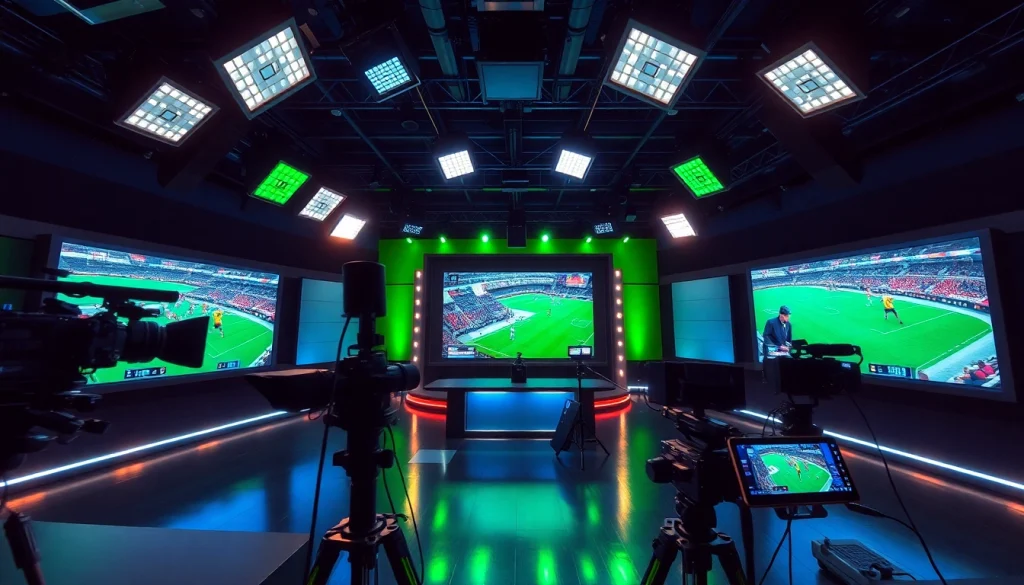
Understanding Sports Broadcasting
Sports broadcasting has evolved significantly from its inception, changing the way fans engage with their favorite sports. The medium not only serves as a platform for live events but also as a means to create narratives, build communities, and enhance viewer experiences. With the surge of digital platforms, the landscape has become increasingly competitive and complex. This article will delve into various facets of Sports Broadcasting, encompassing its evolution, components, technical aspects, content strategy, challenges, and future trends.
The Evolution of Sports Broadcasting
Sports broadcasting has a rich history that dates back to the early 20th century when radio first began transmitting live sports events. As technology progressed, so did the methods of sharing these exhilarating moments with fans. The introduction of television in the 1950s marked a pivotal transition, ushering in a new era of viewership. In recent years, the rise of the internet has further transformed how sports are consumed, with live streaming services gaining traction.
The evolution of broadcasting has been characterized by key milestones, including the first-ever televised baseball game in 1939, the launch of cable sports networks in the 1970s, and the emergence of online streaming platforms in the 2010s. Each phase brought innovations that enhanced viewer engagement and accessibility, dramatically impacting sports marketing and fan interaction.
Key Components of Sports Broadcasting
The landscape of sports broadcasting is comprised of several critical elements. These include play-by-play commentary, color commentary, graphics and visuals, instant replays, and audience interactions. The effectiveness of a broadcast is determined by how these components come together to create an engaging experience. Play-by-play commentators deliver real-time updates, while analysts provide insights that deepen viewers’ understanding of the strategy and tactics involved.
Graphics play a vital role in enhancing the storytelling aspect of broadcasts. Up-to-date statistics, player profiles, and social media integration can elevate viewer engagement and encourage participation, thus turning passive watchers into active participants.
Audience Engagement in Sports Broadcasting
Engaging the audience in sports broadcasting is quintessential for driving viewership and loyalty. Modern broadcasters employ various strategies to captivate viewers, including fan polls, social media interactions, and immersive advertising experiences. Engaging content not only retains viewers’ attention but also fosters a sense of belonging among fans, consequently driving a community-centric atmosphere. Additionally, broadcasters are increasingly utilizing gamification, offering rewards and exclusive content to enhance audience engagement.
Technical Aspects of Sports Broadcasting
Equipment Used in Sports Broadcasting
The backbone of any successful sports broadcasting operation lies in the equipment used. The technological toolkit typically includes cameras, microphones, teleprompters, and production control rooms. Multi-camera setups are often deployed to capture various angles of the event, while high-definition cameras have become the industry standard to deliver crisp, clear visuals to audiences.
Audio equipment is equally important; high-quality microphones must capture commentators’ voices clearly and accurately while minimizing background noise. Technical specs also include video switchers, graphic generators, and replay systems, all essential for a seamless broadcasting experience.
Choosing the Right Software for Sports Broadcasting
Selecting the right broadcasting software is a crucial aspect that can significantly influence production quality and efficiency. Features such as multi-camera support, built-in graphics, live streaming capabilities, and ease of use should be considered when evaluating software options. Many broadcasters opt for comprehensive solutions that integrate various tasks into one platform, simplifying the workflow from live shooting to post-production editing.
Innovative software solutions can also help streamline content management and distribution, making it easier to publish and promote highlights and analyses across different platforms. The right choice in software not only enhances the quality of the broadcast but also increases the opportunity to engage with additional audience segments.
Live Streaming vs. Traditional Broadcasting
In the digital age, the debate of live streaming versus traditional broadcasting has gained momentum. Live streaming offers immediacy and accessibility, allowing viewers to watch events on various devices, anywhere, anytime. It breaks geographical barriers and provides opportunities for niche sports that may not receive airing on traditional platforms.
In contrast, traditional broadcasting still holds notable value due to established audience trust, professional production quality, and extensive advertising reach. The combined effectiveness of both mediums can amplify marketing strategies and enhance viewer experiences, providing flexibility and extensive options for fans.
Content Strategy for Sports Broadcasting
Creating Compelling Sports Content
Successful sports broadcasting hinges on the creation of compelling content that resonates with viewers. Storytelling is vital in this realm, as it connects emotionally with fans, often transforming sports events into shared experiences. Creative programming, such as behind-the-scenes features, player interviews, and community-driven stories, captivates viewers and encourages them to tune in regularly.
Utilizing diverse storytelling formats—be it in-depth analyses, highlight reels, or even fan-generated content—can help broadcasters establish a multifaceted approach that appeals to varied audience preferences. Producing high-quality, engaging content builds loyalty and increases chances for viewer retention.
SEO Techniques for Sports Broadcasting
In today’s competitive sports media landscape, employing effective SEO techniques is crucial for increasing visibility and attracting diverse audiences. Utilizing relevant keywords, optimizing meta descriptions, crafting engaging headlines, and ensuring mobile-friendliness of web content can significantly improve search rankings. Leveraging analytics tools to monitor performance and adapting strategies based on audience behavior is also essential for long-term success.
Creating shareable content, such as infographics or highlight reels, not only enhances visibility on social media platforms but also drives back traffic to the primary sports broadcast site, presenting an opportunity to convert casual viewers into loyal fans.
Leveraging Social Media in Sports Broadcasting
Social media has revolutionized how sports broadcasts connect with audiences. Platforms like Twitter, Instagram, and Facebook allow broadcasters to enhance content promotion, engage viewers during live broadcasts, and reach audiences on a more personal level. Real-time updates, polls, and interactive content foster engagement, bringing immediate reactions from fans that can influence broadcasts.
Creating a focused social media strategy ensures that brands can build a community around their broadcasts and target potential viewers effectively. Analyzing social media performance metrics also provides valuable insights, guiding future content strategies and engagement efforts.
Challenges in Sports Broadcasting
Legal Aspects and Licensing Issues
Navigating the legal landscape is a significant challenge in sports broadcasting. Licensing deals for content rights can often be complex, and failure to comply with broadcasting standards can lead to severe penalties. Ensuring accountability includes working with lawyers specializing in intellectual property and broadcast law to analyze contracts and secure necessary rights to use specific content.
Additionally, broadcasters must be aware of regional regulations that may impact how and when content can be aired. Keeping abreast of these legal stipulations is critical for operational success and mitigating risks associated with broadcasting rights infringement.
Accuracy and Credibility in Sports Broadcasting
Credibility in sports broadcasting is paramount, as viewers rely on accurate information to form opinions and engage with content. The challenge lies in the receipt of real-time data, especially during live events where errors can occur. Implementing quality checks and having designated teams for fact-checking ensures that the information shared is trustworthy.
Offering transparency about sources and providing corrective updates when necessary further improves credibility, nurturing trust between broadcasters and audiences. Building a reputation for reliability can significantly enhance viewer loyalty and engagement over time.
Handling Technical Difficulties During Live Events
Technical difficulties can turn a supposedly flawless broadcast into a frustrating experience for both the audience and the production team. Preparing for potential issues through simulations and rehearsals is essential, allowing teams to develop contingency plans for various scenarios. Redundant systems, including backup feeds and alternative broadcasts, can mitigate the impact of disruptions during live events.
Establishing a strong communication channel between technical teams and the on-air talent can expedite problem-solving and ensure uninterrupted coverage during critical moments. Effective crisis management enhances overall viewer experience while showcasing professionalism under pressure.
Future Trends in Sports Broadcasting
Impact of AI on Sports Broadcasting
Artificial Intelligence (AI) is poised to revolutionize sports broadcasting by augmenting content creation, analysis, and personalization techniques. Automated editing tools can streamline production processes, allowing broadcasters to efficiently create highlights and summaries. AI-driven analytics can provide predictive insights, enriching the storytelling aspect of sports reporting and enhancing audience engagement.
Additionally, AI chatbots can interact with viewers on social media and websites, responding to queries and providing real-time updates, thus enhancing support and engagement. As technology continues to evolve, the integration of AI into sports broadcasting strategies will likely redefine audience interaction.
Emerging Technologies Shaping Sports Broadcasting
Emerging technologies, such as augmented reality (AR) and virtual reality (VR), are set to enhance the viewer experience in sports broadcasting. These technologies offer immersive experiences, allowing fans to feel as if they are virtually attending live events from their homes. AR can provide interactive graphics and analytics during broadcasts, bringing a new dimension of insight to viewer experiences.
5G technology is also anticipated to facilitate seamless, high-quality streaming, making broadcasts more accessible and richer in detail, providing enhanced interaction between the audience and the sporting events. Such innovations are vital for broadcasters aiming to remain competitive in this rapidly evolving industry.
Viewer Preferences and Changes in Consumption
The landscape of viewer preferences has changed drastically, with audiences increasingly gravitating towards personalized and on-demand content. The rise of younger demographics emphasizes the importance of accessibility through digital platforms. Mobile viewing is surging as fans seek convenience and flexibility, leading broadcasters to optimize content for mobile experiences.
Furthermore, episodic programming and storytelling formats are gaining popularity, as fans desire deeper insights into sports narratives and player journeys. Understanding these evolving preferences will allow sports broadcasters to tailor their content strategies, thus enhancing their effectiveness in reaching modern audiences.
Frequently Asked Questions
What is sports broadcasting?
Sports broadcasting refers to the live or recorded transmission of sports events through various media platforms, engaging audiences with real-time updates, commentary, and analysis.
How has technology influenced sports broadcasting?
Technology has transformed sports broadcasting by introducing improvements in production quality, accessibility through streaming platforms, and advanced viewer engagement strategies.
What are the main components of a sports broadcast?
Key components include play-by-play commentary, analysis, graphics, audience interactions, and post-event highlights, all working together to enhance viewer experiences.
What challenges do sports broadcasters face?
Challenges include legal licensing issues, accuracy and credibility in reporting, technical difficulties during live events, and evolving viewer preferences that require constant adaptation.
What trends are shaping the future of sports broadcasting?
Trends like AI integration, AR and VR technologies, 5G connectivity, and changing consumption preferences are reshaping how sports content is produced and consumed.