
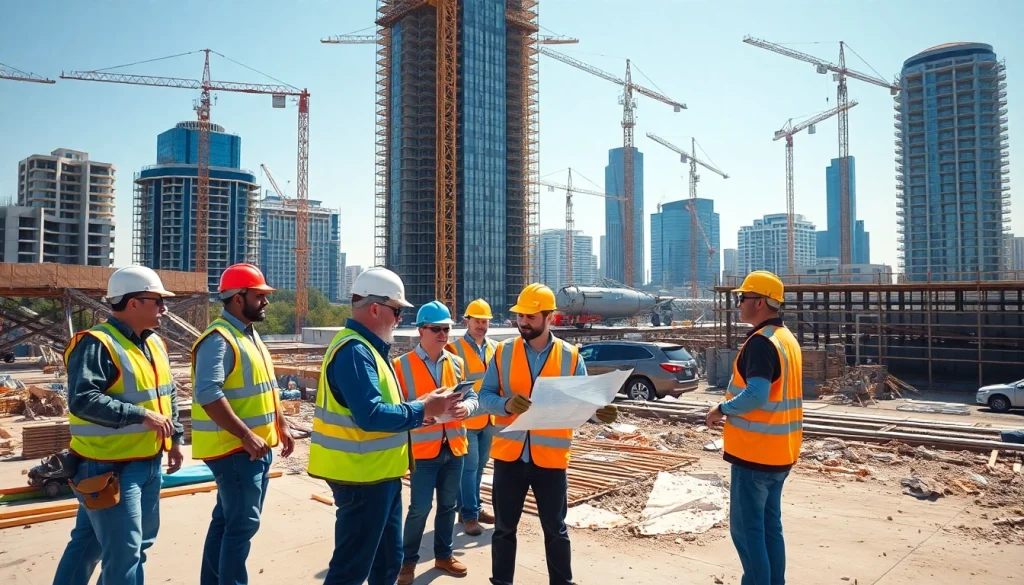
Understanding the Austin Construction Landscape
Austin, Texas, known for its vibrant culture and booming tech industry, has become a hotspot for construction and development. The city’s rapid growth has resulted in a significant increase in construction projects aimed at accommodating its expanding population and economic growth. According to recent reports, Austin’s population has been growing at an astonishing rate, making it one of the fastest-growing metropolitan areas in the United States. With this growth comes a slew of opportunities and challenges in the construction sector. Understanding the dynamics of Austin construction requires an insight into the driving factors behind this explosion of growth.
The Factors Driving Construction Growth in Austin
The surge in construction activity in Austin can be attributed to several interconnected factors:
- Population Growth: As reported, Austin’s population increased by 10.9 percent from 2020 to 2024, drawing in young professionals, tech workers from areas like Silicon Valley, and individuals seeking a better quality of life.
- Economic Development: The city has positioned itself as a tech hub, attracting major companies and startups alike, which, in turn, boosts demand for both residential and commercial construction.
- Infrastructure Needs: With growth comes the need for enhanced infrastructure – schools, hospitals, and transportation networks have all seen increased investment and development.
- Government Initiatives: Local government policies and incentives aimed at leveraging growth sustainably also contribute to the construction boom.
Key Players in the Austin Construction Market
The construction landscape in Austin is populated by various key players ranging from large construction firms to specialized contractors. Companies like Austin Industries, with over 7,000 employee-owners, play a significant role in shaping the market. Their expertise spans civil, commercial, and industrial construction services. Additionally, there are numerous local firms that specialize in residential projects, renovations, and infrastructure improvements, creating a diverse and competitive atmosphere.
Current Construction Projects in Austin
The city is currently undergoing numerous significant construction projects, which are set to reshape its landscape in the coming years. Notable developments include:
- Austin-Bergstrom Airport Expansion: A multi-phase project aimed at increasing capacity and modernizing the facilities, scheduled for completion in 2026.
- High-Rise Residential Buildings: Projects like The Independent, the tallest residential tower in Texas, provide luxury living in the heart of downtown.
- Affordable Housing Initiatives: Various projects focused on increasing the availability of affordable units to accommodate the influx of new residents.
Types of Construction Services Offered in Austin
Residential vs. Commercial Construction in Austin
The construction services in Austin can be broadly divided into residential and commercial sectors. Residential construction primarily focuses on single-family homes, condominiums, and apartments. With the rise in demand for housing, particularly among the younger workforce, residential projects often prioritize both functionality and sustainability.
On the other hand, commercial construction targets businesses with developments such as office buildings, retail establishments, and warehouses. The commercial sector is seeing growth due to a rise in entrepreneurial ventures, tech startups, and established corporations moving to Austin.
Specialized Construction Services: What You Need to Know
Beyond general residential and commercial construction, Austin is home to various specialized construction services. These include:
- Sustainable Construction: Many contractors are adopting green building practices to meet environmental regulations and market demands for eco-friendly structures.
- Renovation and Remodeling: With an aging housing stock, the demand for renovation services is growing, focusing on improving energy efficiency and modernizing spaces.
- Infrastructure Development: Projects addressing transportation, water supply, and energy grids are critical for supporting Austin’s economy and quality of life.
Sustainable Practices in Austin Construction
As sustainability becomes a priority globally, Austin’s construction industry is no exception. The adoption of green building practices not only complies with local regulations but also meets the demands of environmentally-conscious consumers. Key sustainable strategies include:
- LEED Certification: Many projects aim for Leadership in Energy and Environmental Design (LEED) certification, focusing on energy efficiency and sustainable site practices.
- Innovative Materials: The use of sustainable materials like recycled steel, eco-friendly concrete, and energy-efficient windows is on the rise.
- Energy Performance Standards: Buildings are increasingly designed to minimize energy consumption through improved insulation and smart technology integration.
Challenges Facing the Austin Construction Industry
Labor Shortages and Skilled Worker Demand
Despite the robust growth, the Austin construction industry faces significant challenges, notably labor shortages. A shortage of skilled labor poses obstacles to meeting project timelines and maintaining quality standards. This challenge is exacerbated by a combination of factors:
- Increased demand for construction due to rapid city growth.
- Aging workforce and insufficient new entrants into the field.
- Competitive job markets drawing skilled workers to other industries.
Regulatory Hurdles in Austin Construction
The regulatory landscape in Austin presents another set of challenges for the construction industry. Complex zoning laws, environmental regulations, and building codes can lead to delays in project approvals and increased costs. Builders must navigate:
- City ordinances that may affect land use and project scope.
- Environmental assessments and compliance with state and federal regulations.
- Variances and permits that may require extensive documentation.
Impact of Economic Factors on Construction
Economic fluctuations can significantly impact the construction sector. Rising material costs, influenced by supply chain disruptions and global market trends, strain budgets and can halt or delay projects. Additionally, interest rate hikes may discourage new investment in commercial projects. Understanding these economic indicators can help stakeholders in the industry navigate uncertainties and adjust strategies accordingly.
Innovative Solutions for Austin Construction
Adopting Technology in Construction Processes
Innovation plays a crucial role in addressing the challenges faced by the Austin construction industry. Technology adoption facilitates improved efficiency, traceability, and overall project management. Some of the innovations making waves in construction include:
- Building Information Modeling (BIM): BIM enhances collaboration and design accuracy, allowing for better project visualization and planning.
- Drones: Used for site surveys, drones provide real-time data on project progress and help reduce safety risks.
- Construction Management Software: Tools for project management streamline workflows, budgeting, and communication among stakeholders.
Building for Resilience: Addressing Climate Challenges
With issues such as climate change impacting urban development, building resilience is becoming a priority for Austin’s construction industry. This means considering factors such as:
- Flood-resistant designs and materials due to increasing extreme weather events.
- Zero-energy building practices to minimize environmental impact.
- Designs that integrate nature, such as green roofs and rain gardens, enhancing ecosystems and community well-being.
Enhancing Collaboration through Project Management Tools
Enhanced collaboration among contractors, architects, and other stakeholders is essential for successful project delivery. Digital project management tools facilitate communication and cooperation from inception to completion. Examples of effective tools include:
- Cloud-based platforms that allow real-time updates and document sharing.
- Communication apps that centralize information for teams.
- Performance monitoring tools that help assess efficiency and pinpoint improvement areas.
The Future of Austin Construction
Predictions for the Austin Construction Market
Looking ahead, the Austin construction market is expected to remain dynamic, with several trends shaping its future. The continued influx of residents driven by economic opportunities will likely sustain construction activities. However, it will require adaptive strategies to tackle economic shifts and labor shortages effectively.
Upcoming Trends to Watch in Construction
As the industry evolves, some key trends to watch include:
- Modular and Prefabricated Construction: This method can expedite building timelines and reduce costs, addressing the need for efficient housing solutions.
- Sustainability as Standard: Expect to see a more comprehensive embrace of sustainability, becoming a standard requirement rather than a luxury.
- Digital Twin Technology: Emerging technology that creates a virtual replica of a physical building to enhance analysis and management of the construction process.
How Developers Can Prepare for Future Challenges
To stay competitive and resilient in an ever-changing market, developers must consider strategies to mitigate challenges. Recommendations include:
- Investing in workforce development programs to attract and train new talent.
- Embracing innovative technology solutions to enhance operational efficiency.
- Building flexible project plans that accommodate regulatory changes and market fluctuations.