
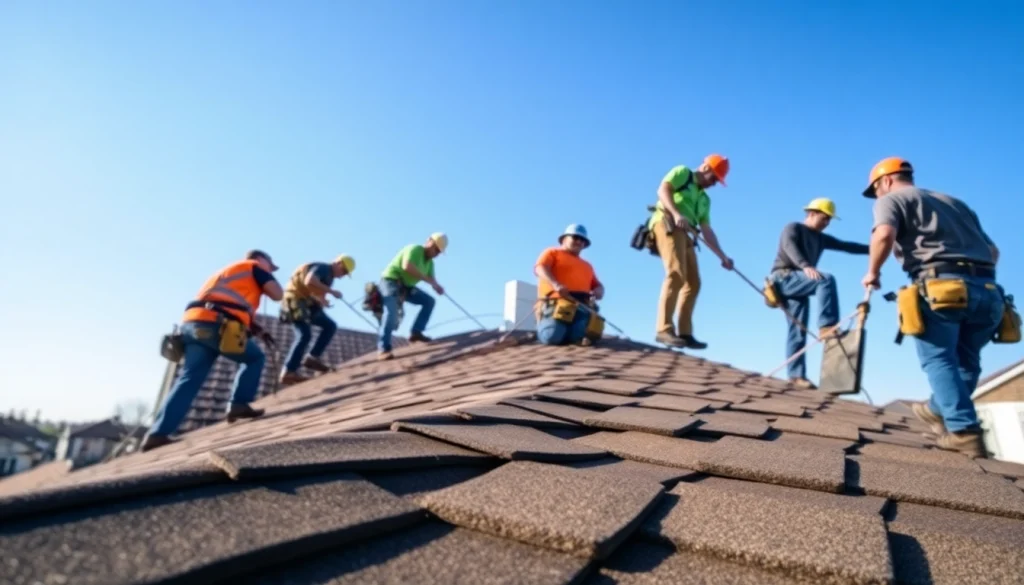

Understanding High-Quality Roofing Solutions
When it comes to protecting your home, the roof you choose plays a pivotal role. Investing in high-quality roofing solutions not only safeguards your property but also enhances its aesthetic appeal and overall value. This comprehensive guide will delve into the different facets of high-quality roofing, helping you make informed decisions throughout the process of selecting, installing, and maintaining your roof.
Defining High-Quality Roofing
High-quality roofing can be defined by its durability, aesthetics, and efficiency. It involves using superior materials and skilled craftsmanship to provide a structure that can withstand various environmental conditions while maintaining its appeal. Additionally, high-quality roofing should offer energy efficiency, contributing to lower utility bills and a reduced carbon footprint.
Importance of Quality in Roofing
The quality of your roofing is crucial for several reasons:
- Protection from Elements: A quality roof withstands wind, rain, snow, and sun, thereby protecting the structure and its inhabitants.
- Longevity: High-quality materials can last for decades, reducing the need for frequent repairs or replacements.
- Energy Efficiency: Quality roofs often include energy-efficient materials that can reduce heating and cooling costs.
- Resale Value: Homes with quality roofing solutions often sell faster and at higher prices due to their enhanced curb appeal and lower maintenance needed.
Types of High-Quality Roofing Solutions Available
When considering your options for high-quality roofing solutions, a variety of materials can be employed. Some of the most common types include:
- Asphalt Shingles: Affordable and versatile, they are the most common roofing material.
- Metal Roofing: Known for its durability and energy efficiency, metal roofs can last for 50 years or more.
- Wood Shingles: Offering a rustic aesthetic, wood shingles are attractive but require more maintenance.
- Slate Roofing: A premium choice, slate is extremely durable and provides a distinctive look but can be costly.
- Tile Roofing: Especially popular in warmer climates, tile is known for its longevity and aesthetic appeal.
Key Features of Quality Roofing Materials
Durability and Longevity
Durability is a hallmark of high-quality roofing materials. For example, metal roofs can withstand extreme weather conditions, including hail and high winds. Conversely, asphalt shingles have a lifespan of 15-30 years, depending on the quality and installation. Homeowners should assess the expected lifespan and warranty of roofing materials before purchasing to ensure they are making a wise investment.
Energy Efficiency Benefits
Energy efficiency in roofing not only reduces energy bills but also contributes to a home’s sustainability. Reflective roofing materials can significantly reduce heat absorption, keeping homes cooler in hot climates. Additionally, roofs can be installed with insulation or ventilation techniques that enhance overall energy performance.
Design and Aesthetic Appeal
A roof is a key aspect of a home’s exterior, contributing significantly to its overall aesthetic. High-quality roofing materials come in various colors, styles, and textures, allowing homeowners to customize their roofs to match their architectural vision. For instance, slate roofs add a sophisticated and timeless look, while metal roofing can offer modern sleekness.
Choosing the Right Roofing Solution
Evaluating Roof Types for Your Home
Choosing the right roofing solution involves evaluating numerous factors, including the architectural style of your home, your budget, and personal preferences. It’s essential to find a roofing material that not only fits the visual appeal but also the practical needs of your environment.
Understanding Local Climate Considerations
Regional climate plays a crucial role in the selection of roofing materials. Areas prone to heavy rainfall or storms may benefit from metal roofing or asphalt shingles known for their water resistance. In contrast, regions with harsher climates, experiencing high sun exposure, might favor reflective materials to decrease energy costs.
Assessing Budget and Costs
Your budget will undeniably influence roofing decisions. While it may be tempting to opt for the cheapest material, it’s important to consider long-term costs, including maintenance and energy efficiency. Quality products may require a higher initial investment but can save money over time.
Installation Process of High-Quality Roofing Solutions
Preparing for Roof Installation
Preparation for roof installation involves several critical steps, from obtaining necessary permits to choosing a certified contractor. Homeowners should also prepare their property by removing obstacles around the house, such as patio furniture, plants, and vehicles, to ensure a safe working environment.
Step-by-Step Installation Guide
Here is a general outline of the installation process:
- Inspection and Measurement: A thorough inspection ensures that the roof structure is sound and can support new materials.
- Removing Existing Material: Old roofing must be removed, and any damaged wood underneath should be repaired or replaced.
- Installing Underlayment: A waterproof underlayment provides an additional layer of protection against leaks.
- Placing Roofing Material: The chosen roofing material is then applied, following the manufacturer’s guidelines to ensure proper installation.
- Flashing and Ventilation: Proper flashing around vents and chimneys is crucial to prevent leaks, while adequate ventilation helps to regulate heat and moisture.
- Final Inspection: After installation, a final inspection ensures everything has been installed correctly.
Post-Installation Inspection and Maintenance
Once the roof is installed, regular inspections are necessary to maintain quality. Homeowners should check for missing shingles, leaks, and other signs of wear, especially after severe weather. Setting up a maintenance schedule helps keep roofing in top condition and prolongs its lifespan.
Maximizing the Value of Your Roofing Investment
Enhancing Home Value with Quality Roofing
Quality roofing solutions can substantially increase a home’s value. A well-maintained roof not only attracts potential buyers but also offers peace of mind, knowing that significant repairs won’t be necessary in the near future. Projects such as roof replacement can yield a high return on investment, making it a smart choice for homeowners looking to boost property value.
Insurance and Warranty Considerations
Before selecting roofing materials, it’s important to understand warranty options and how they affect insurance. Different materials come with varying warranty lengths, which influence overall costs and claims in the event of damage. Consult with your insurance provider to ensure adequate coverage for your roofing choice.
Recognizing Signs for Roof Replacement or Repair
Being able to identify signs of roof distress is essential for maintaining the quality of your roofing solution. Some common indicators include:
- Visible damage, such as cracked or missing shingles
- Water stains on ceilings or walls
- Granules in gutters or on the ground beneath the roof
- Excessive shingle curling or buckling
If you encounter these issues, it’s advisable to consult a roofing professional to determine whether repairs or a complete replacement is necessary.