
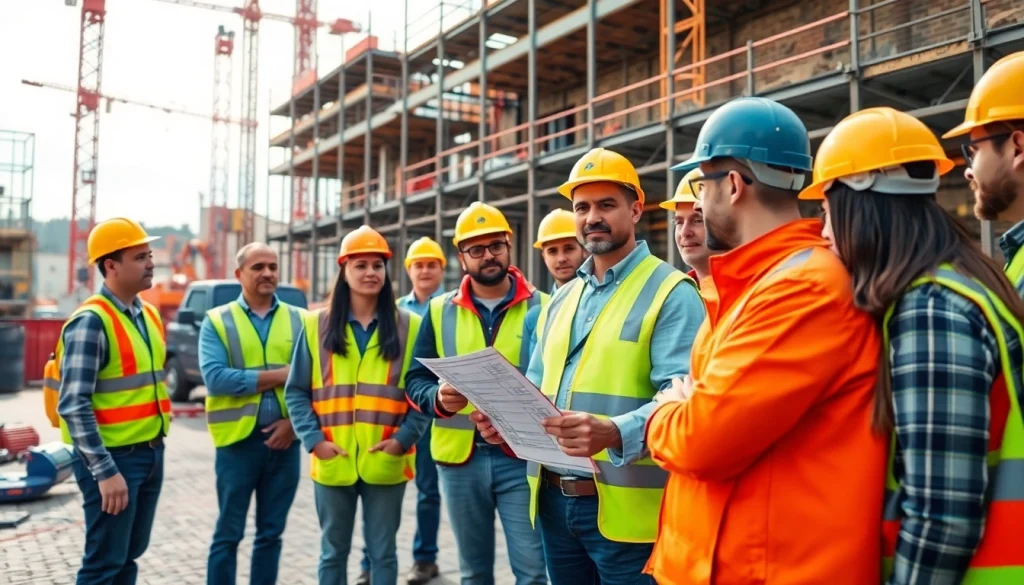
1. Understanding Construction Site Safety Training
1.1 Definition and Importance
Construction site safety training is a critical component of ensuring the well-being of workers in the construction industry. This type of training involves educating employees about the potential hazards they may encounter on job sites and providing strategies to mitigate those risks. Safety training covers various topics, including worksite regulations, the safe operation of machinery, and proper usage of personal protective equipment (PPE). The importance of such training cannot be overstated: it safeguards workers’ lives, minimizes injuries, and promotes a culture of safety that adheres to regulations.
1.2 Legal Requirements
Legal mandates governing construction site safety training vary by region, but organizations must comply with specific regulations to ensure employee safety. In many jurisdictions, regulations are enforced by agencies such as OSHA (Occupational Safety and Health Administration) in the United States. Employers are generally required to provide appropriate safety training to their workers before they begin their tasks. This includes instruction regarding fall protection, hazard communication, scaffolding safety, and more. Non-compliance can lead to significant penalties, loss of reputation, and, most importantly, an increased risk of workplace accidents.
1.3 Benefits for Workers and Employers
The benefits of implementing effective construction site safety training extend to both workers and employers alike. For workers, a properly conducted training program minimizes the risk of accidents and injuries, leading to enhanced job satisfaction and productivity. Employees who feel safe are more likely to be engaged and committed to their work. For employers, investing in safety training reduces liability and costs associated with workplace injuries, such as medical expenses and insurance premiums. Moreover, a safe work environment fosters a positive company image, making it easier to attract and retain skilled labor.
2. Key Components of Effective Safety Training
2.1 Safety Protocols and Guidelines
Effective safety training begins with clear safety protocols and guidelines tailored to the specific conditions of a construction site. These protocols outline the standard operating procedures to be followed in various situations, such as the proper handling of hazardous materials and the procedures for reporting unsafe conditions. Providing workers with easy-to-read safety manuals and access to a centralized safety repository can reinforce understanding and adherence to safety protocols.
2.2 Personal Protective Equipment (PPE)
Personal protective equipment is indispensable in construction sites where numerous hazards exist, from falling objects to chemical spills. Training must include comprehensive sessions on the appropriate use of PPE suited for each job function. Workers should be taught how to select, maintain, and effectively use their safety gear, including helmets, gloves, goggles, and high-visibility vests. Furthermore, regular inspections of PPE should be incorporated into training programs to ensure everything remains functional and compliant.
2.3 Emergency Response Procedures
Equipping workers with knowledge about emergency response procedures is crucial. In construction, emergencies can range from medical incidents to natural disasters and on-site fires. Training must involve rehearsing emergency plans, identifying potential evacuation routes, and understanding the roles and responsibilities of key personnel during a crisis. Conducting drills and simulations enables employees to react promptly and effectively, potentially saving lives during real emergencies.
3. Best Practices for Implementing Training Programs
3.1 Tailoring Training to Specific Jobs
Standardized safety training may not sufficiently address the unique risks associated with different construction jobs. Thus, tailoring training to the specific roles and tasks of workers is a best practice. For example, workers on scaffolding jobs will require different training than those operating heavy machinery. By customizing content, employers can ensure that employees are adequately informed about the specific hazards related to their tasks, leading to better retention and application of safety practices.
3.2 Engaging Training Techniques
To maximize the effectiveness of safety training, engaging techniques should be employed. Interactive methods, such as hands-on demonstrations, simulations, and group discussions, can enhance understanding and retention of safety protocols. Additionally, incorporating multimedia presentations and real-life case studies can make training sessions more relatable and memorable. Using technology, such as virtual reality, can also offer immersive training experiences that simulate real-world dangers in a controlled environment.
3.3 Regular Assessments and Updates
Regular assessments of training effectiveness are vital in ensuring that the safety protocols evolve with changing workplace conditions and regulations. Periodic evaluations, feedback collection from participants, and updates based on new research or incidents can aid in keeping the training relevant. Employers should remain proactive, adapting their programs continuously to reflect best practices and lessons learned from recent safety developments.
4. Measuring the Effectiveness of Training
4.1 Performance Metrics
Evaluating the effectiveness of construction site safety training involves the establishment of performance metrics tailored to organizational objectives. Metrics may include the number of reported incidents, near-misses, and changes in worker behavior post-training. Checking for compliance with safety protocols during job site inspections can also provide insights into the knowledge retention of employees. Setting clear, measurable goals enables organizations to track progress effectively.
4.2 Feedback Collection
Collecting feedback from trainees is essential for understanding the impact of safety training programs. Surveys and questionnaires distributed after training sessions can provide valuable insights into what participants found useful and areas needing improvement. Encouraging open communication allows employees to voice concerns, leading to adjustments that enhance learning experiences. It is also beneficial to implement focus groups to delve deeper into specific training aspects.
4.3 Continuous Improvement Strategies
Creating a culture of continuous improvement requires integrating safety training reviews into regular company practices. This can involve establishing a safety committee tasked with evaluating training effectiveness and proposing enhancements. Encouraging worker involvement in the improvement process not only empowers employees but also fosters a sense of ownership in maintaining safety standards. Following the principles of Plan-Do-Check-Act (PDCA) can also drive continuous refinement of training programs.
5. FAQs on Construction Site Safety Training
5.1 What is the main goal of construction site safety training?
The primary goal of construction site safety training is to educate workers about hazards and safe practices to minimize injury and accidents at the job site.
5.2 How often should training sessions be conducted?
Training sessions should be conducted regularly, with frequency depending on the type of work and regulations, often annually or when new hazards or equipment are introduced.
5.3 Are there specific certifications needed for trainers?
Yes, specific certifications for trainers may vary by region, with qualified trainers often needing to complete recognized programs to ensure effective training delivery.
5.4 What types of safety equipment should be covered?
Training should cover essential safety equipment including helmets, gloves, goggles, harnesses, respiratory protection, and any specialized gear required for specific tasks.
5.5 How can training be tailored for different workers?
Training can be customized by assessing job roles and risks, focusing on specific tasks, and incorporating relevant scenarios that reflect the unique conditions of each job function.
For more information on construction site safety training, refer to local resources or expert guidance to ensure compliance with safety regulations and foster a culture of well-being on job sites.