
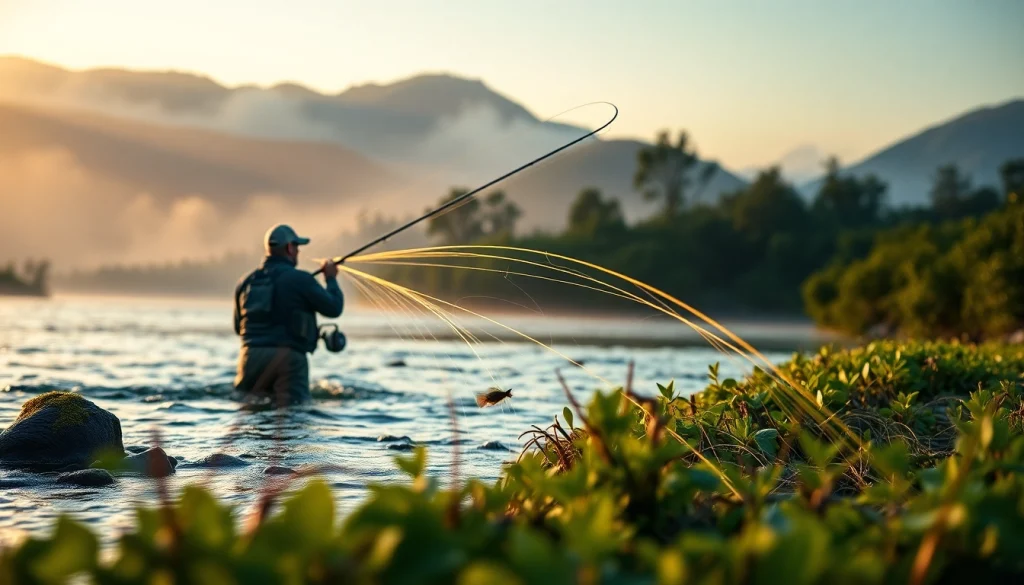
Introduction to Fly Fishing Line
Fly fishing is a nuanced and rewarding sport, where precision and technique are paramount. A cornerstone of success in fly fishing is the fly fishing line, which significantly influences casting accuracy and the behavior of your fly in the water. Understanding the various aspects of fly fishing line is essential for both novice anglers and seasoned veterans. This article delves into everything from the basics of fly fishing to the intricate details of selecting, maintaining, and utilizing the right line for your adventurous pursuits.
Understanding Fly Fishing Basics
At its core, fly fishing is different from conventional fishing methods that use bait. Instead, it relies on lures, known as flies, which resemble insects or other aquatic creatures. The fly fishing line plays a crucial role, as it is not only used to cast the fly but also to control its movement and presentation in the water. Factors such as line weight, length, and material further dictate performance.
Types of Fly Fishing Lines
Fly fishing lines come in various types, serving different purposes. Broadly categorized, they include:
- Floating Lines: Most commonly used, ideal for surface presentations.
- Sinking Lines: Designed to sink below the surface, useful for targeting fish lying deeper.
- Intermediate Lines: These sink slowly at a consistent rate, allowing for flexibility in depth presentation.
Choosing the right type depends largely on the target fish species and the fishing environment.
Why Fly Fishing Line Matters
The right fly fishing line can enhance your overall fishing experience. Its material influences durability, casting distance, and sensitivity to strikes. A poor line can hinder even the best casting techniques, leading to frustration and missed opportunities. The flow of the line also affects how your fly behaves, which is critical for attracting fish. In essence, understanding the attributes of the fly fishing line directly correlates to your success on the water.
Selecting the Best Fly Fishing Line
Consider Your Fishing Environment
Your choice of fly fishing line should reflect the environment in which you are fishing. Factors such as water type (freshwater vs. saltwater), windy conditions, and the type of fish available can dictate your selection. For example, in breezy conditions, a thicker, heavier line might be beneficial, while for delicate presentations in clear water, a lighter line is more effective.
Match Line Weight to Your Rod
Matching the fly fishing line’s weight to your rod is crucial. Each fly rod is designed to work best with a specific line weight, usually indicated on the rod. If your line weight is too heavy, it can lead to an awkward casting motion. Conversely, if it’s too light, you may struggle to cast effectively. A standard weight system from 1 to 14 exists, allowing anglers to select the appropriate line for various fishing conditions.
Types of Fly Fishing Lines Explained
The types of fly fishing lines possess unique characteristics tailored for different scenarios:
- Weight Forward: Ideal for casting long distances; the front is heavier, allowing for better turnover.
- Double Taper: Features a thicker center, allowing for versatility in casting and roll casts.
- Shooting Heads: A specialized form of fly line used in distance fishing for long casts.
Understanding these line types will enable you to navigate various fishing situations effectively.
Fly Fishing Line Maintenance Tips
Cleaning Your Fly Fishing Line
Regular cleaning is vital to extend the life of your fly fishing line. Dirt, algae, and salt can build up and affect the line’s performance. A soft sponge and mild soap solution can effectively cleanse your line. After cleaning, it’s crucial to rinse your line with fresh water to prevent any residue buildup.
Proper Storage Techniques
Storing your fly fishing line properly is just as important as cleaning it. Ensure that the line is laid flat to avoid kinks and tangles, which can affect casting. Using a spool or a storage case specifically designed for fly lines can help maintain its integrity. Keeping your line out of direct sunlight and extreme temperatures will further preserve its lifespan.
Repairing Common Damage
Damage to your fly fishing line can occur over time. Common issues include nicks or abrasions. For small damages, a simple patch using line glue can suffice. However, if the damage is substantial, replacing the damaged segment or even the entire line may be necessary for optimum performance.
Advanced Techniques with Fly Fishing Line
Using Different Line Weights for Tactics
Advanced anglers employ various line weights to match specific tactics. For instance, a lightweight line is beneficial for targeting skittish fish, while a heavier line can assist in casting into windy conditions. Experimenting with different weights can significantly enhance your fishing efficiency, allowing for more tailored presentations.
Line Mending Techniques
Line mending is an essential skill that involves adjusting the position of your line on the water to improve its presentation. Techniques such as “Crouching” and “Stripping” can help reposition the line without disturbing the fly. These methods can result in more natural movements that attract fish more effectively.
Utilizing Indicators and Leaders
Indicators and leaders enhance your fly fishing efficiency by improving visibility and aiding in strike detection. Incorporating different leader lengths and weights can enable better control of your fly. Leaders should generally be 9 to 12 feet long, tapering from the thicker end to a finer tip, to effectively mimic the presentation of natural prey.
FAQs About Fly Fishing Line
What’s the difference between floating and sinking fly fishing line?
Floating line stays on the water’s surface, ideal for surface flies; sinking line descends to target fish beneath the surface.
How do I know what weight fly fishing line to use?
Match the line weight to your rod’s specifications, typically indicated on the rod itself, ensuring optimal casting performance.
Can I use one type of fly fishing line for all conditions?
No, different conditions require specific line types; for instance, sinking lines are best for deeper waters, while floating lines suit surface fishing.
What are the signs that my fly fishing line needs to be replaced?
Replace your line if you notice significant fraying, loss of buoyancy, or ineffective casting, as these symptoms signal diminished performance.
Is it important to match my fly fishing line with the reel?
Yes, matching your line with the reel is essential for efficiency; a mismatch can lead to tangling and poor casting performance.